Baby, It’s Cold Outside!
As I write this, we are facing some of the coldest weather we have had in nearly 20 years at the beginning of next week. Now, I know that all over the world there are places where it gets and stays much colder than it will be here, but a high temperature of 13 degrees Fahrenheit with the low near zero is almost unheard of in this part of the world and that’s what the forecast is for the early part of next week. This will put a lot of plants to the test in the gardens of those of us who like to push the zones and grow plants which, generally speaking, prefer to live a hundred miles or so further south. Inevitably, there will be some losses, but that is the nature of gardening. One plant’s demise is another’s opportunity! That said, here are a few favorites that will certainly withstand winter’s onslaught without batting an eyelash (if plants did, indeed, have eyelashes)!
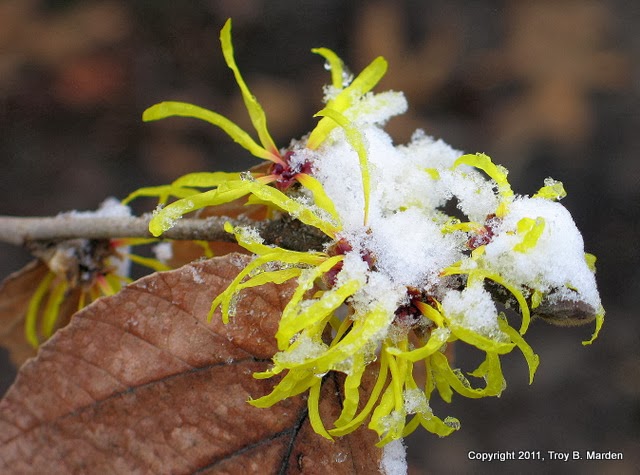
Hamamelis x intermedia ‘Primavera’
‘Primavera’ is one of the earliest witchhazels to flower, often beginning here in February and continuing, completely unfazed by inclement weather, until early March. Witchhazels have the uncanny ability to recoil their flower petals if the temperatures get too cold, winding them back up close to (or even inside of) the buds to protect them until the temperature moderates and the plant resumes flowering.
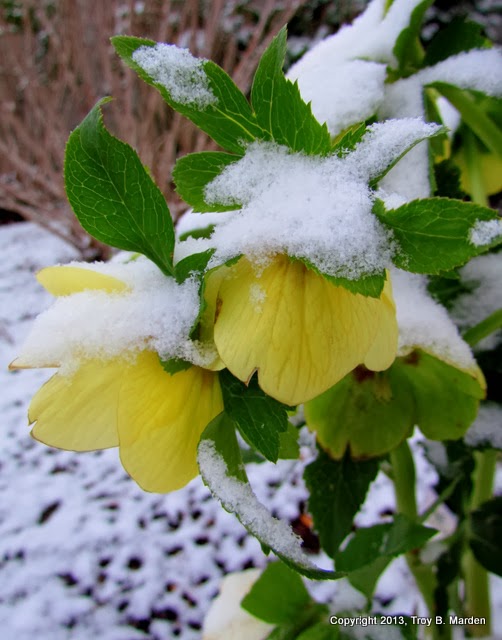
Helleborus x hybridus ‘Golden Sunrise’
‘Golden Sunrise’ has proven itself beyond a shadow of a doubt in my garden. A member of the Winter Jewels series from Ernie and Marietta O’Byrne at Northwest Garden Nursery, widely distributed now by Monrovia Nursery and a large number of mail-order outlets. In general, the plants in this series have been a little slow to establish in the garden here, but if you’re patient, they will wow you with their clear and vibrant colors and exceptional form. The O’Byrnes double-flowered forms (Golden Lotus, Sparkling Diamond and others) are some of the best on the market!
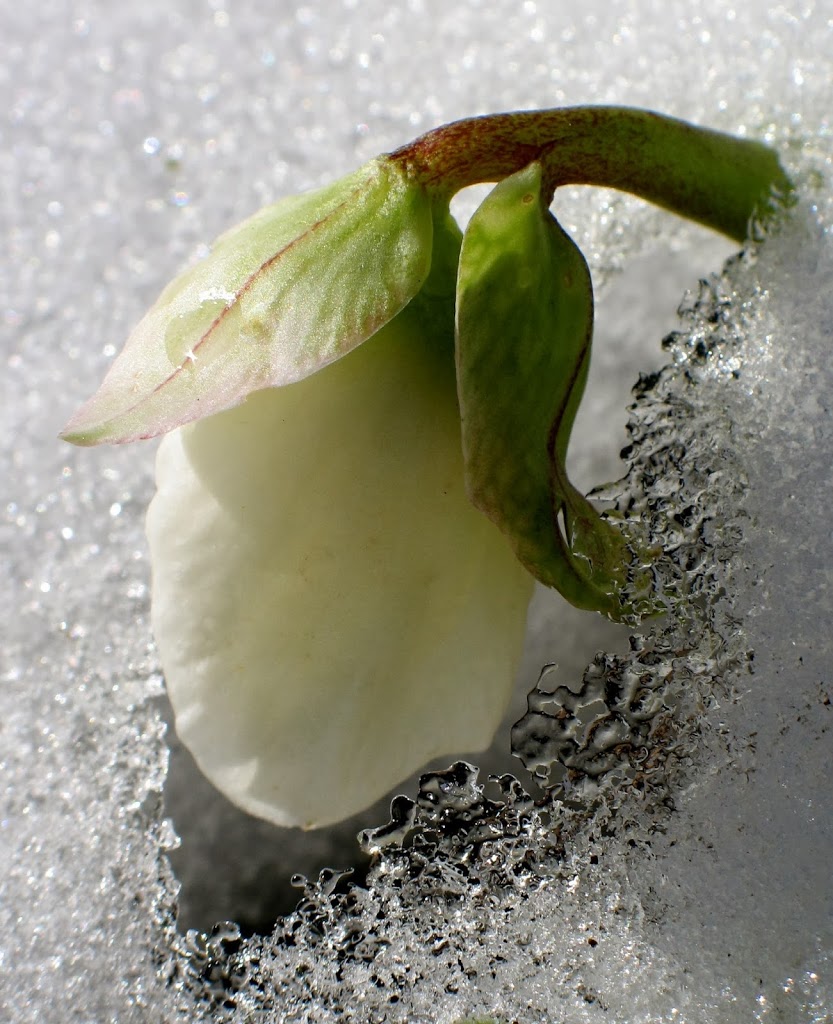
Helleborus niger ‘Josef Lemper’
‘Josef Lemper’ belongs to the group of hellebores commonly called the “Christmas rose” because of its early bloom time. This variety takes that to the extreme, often beginning to flower as early as October and continuing right up through Christmas and well beyond. In a good year, I have had fresh, white flowers emerging nonstop from mid-October until mid-March! Few other perennials have this kind of flower power and almost none will flower this reliably throughout the winter.
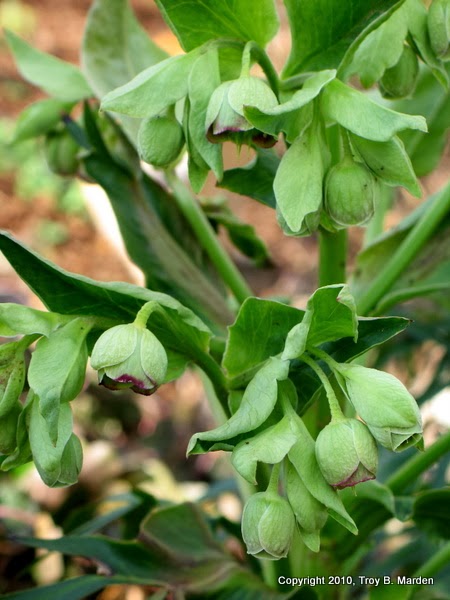
Helleborus foetidus ‘Green Giant’
‘Green Giant’ is an older seed strain of the bear’s foot or “stinking” hellebore (a terrible name, as there is nothing about it that stinks!). The foliage of Helleborus foetidus is most commonly a dark, almost blackish, green and the pea green flower buds begin to emerge from the top of the plant in November, hanging there as if frozen in time until the weather warms just enough in February to coax them open. The display continues on through March and often well into April.
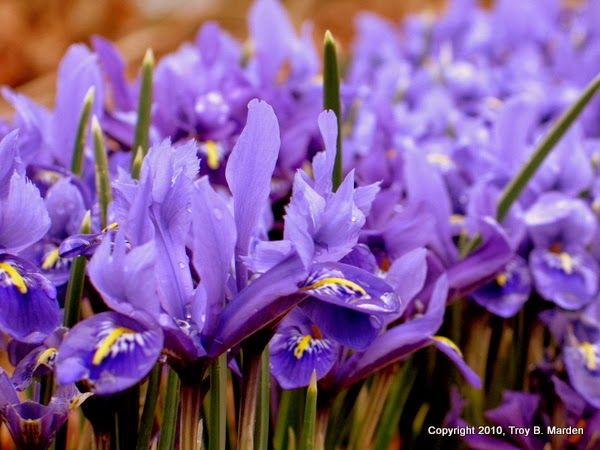
Iris reticulata
We are just far enough north in the Nashville area that the true winter-blooming species of iris, like Iris unguicularis, won’t thrive here. Enter this sweet little bulb whose leaves will emerge through the frozen soil as early as January and whose flowers may have already come and gone by February’s end; certainly by the first week of March (later the further north you go). Iris reticulata, no matter the climate, is one of earliest bulbs to bloom and always gives us hope, as gardeners, that spring truly is on the way.
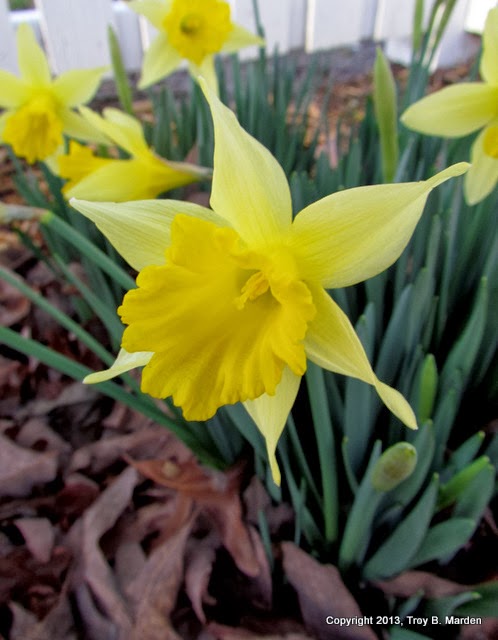
Narcissus pseudonarcissus
If you live in the South, you know Narcissus pseudonarcissus as the spring daffodil (jonquil) that covers old farm and homesteads and lines the fencerows for what seems like miles in late February and early March. Sometimes, entire fields will turn yellow with a hundred years or more worth of these spritely daffodils who have reseeded themselves into every available corner of the rural countryside.
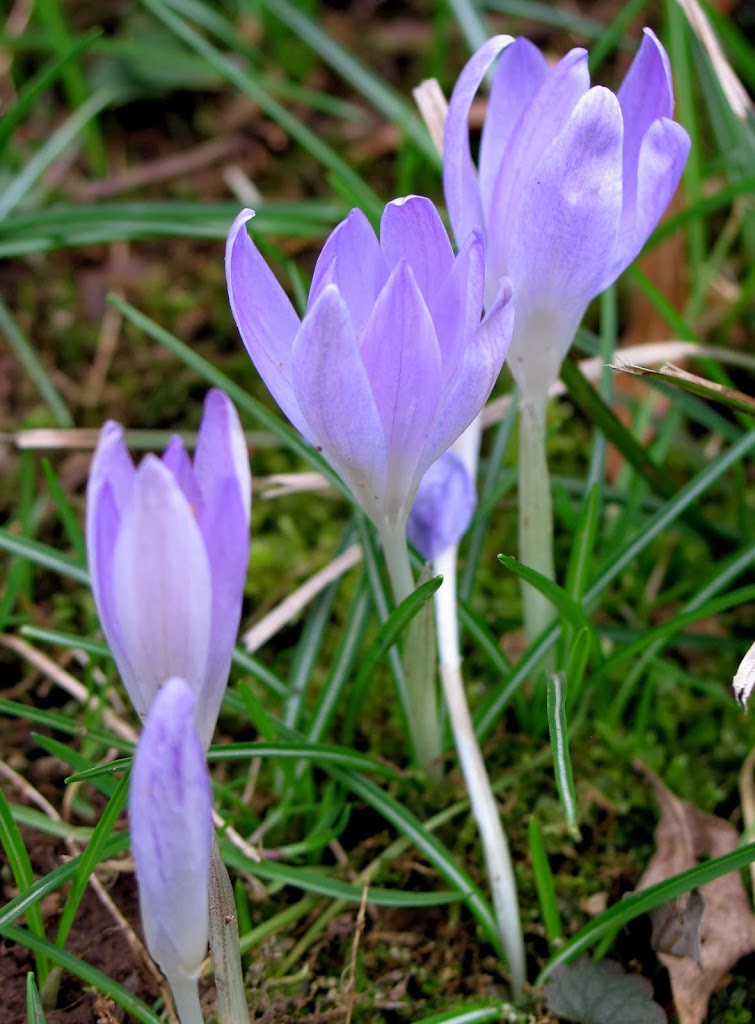
Crocus tommasinianus
I don’t grow many crocus here because the chipmunks and squirrels can (and usually will) devour the entire lot overnight. Once, we planted nearly 5,000 at a client’s home–naturalized throughout the lawn–and in spring we had exactly THREE blooms. THREE! That was both the beginning and the end of my crocus planting days until I discovered the “tommies”, Crocus tommasinianus, which the chipmunks find less palatable. These will not only grow and bloom here, but will thrive and reseed, spreading over time into vast carpets that thrill passersby in the last days of winter.